Okay, quick confession: I used to click “Confirm” without thinking. Wow. Sounds dumb now, but that’s how a lot of us started — rapid-fire swaps, gas price eyeballing, that nervous breath before hitting the button. My instinct said it was fine. Then I lost a few bucks to a bad allowance flow and, honestly, something felt off about the whole UX around transaction risk. Hmm… that’s where transaction simulation comes in.
At first glance, simulation feels like a fancy checkbox. But actually, it changes the game. It’s not just „previewing“ a transaction — it’s mentally rehearsing it, catching reverts, spotting front-running risks, spotting unexpected token approvals, and even surfacing the true gas profile. On one hand, you get fewer surprises. Though actually, on the other hand, you also get smarter choices: route selection, allowance pruning, and better gas settings. Initially I thought it was optional, but after some close calls I realized it’s essential.
Seriously? Yes. Transaction simulation is the closest you can get to an MRI for your on-chain action. It inspects the call graph, estimates state changes, and shows potential failure modes before you broadcast — so you don’t waste gas on a transaction that will revert, and you avoid accidental approvals that hand out more power than intended.
Now, let me be blunt: most wallets still treat transactions like black boxes. You enter numbers, sign, and hope. That part bugs me. Crypto is supposed to be trustless, but the UI often forces trust in opaque tooling. If you care about keeping capital safe while operating fast across chains, you need tools that give you a peek under the hood without asking you to be an on-chain debugger.
What Transaction Simulation Actually Does (and Why It Matters)
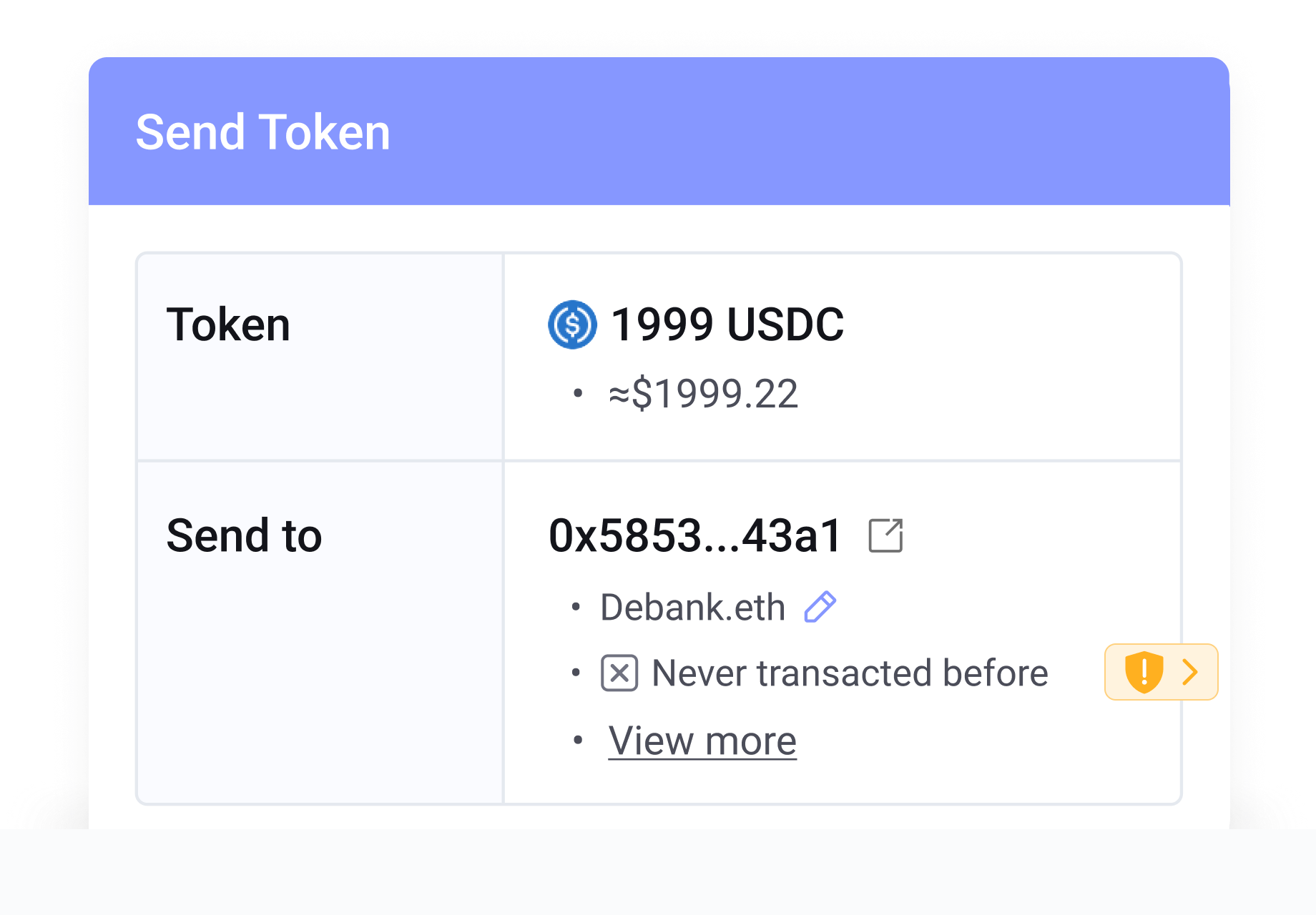
Here’s the simple breakdown. Simulation runs your intended transaction off-chain or on a forked state, then predicts outcomes. Medium risk: it catches reverts and out-of-gas. Long thought: it can reveal subtle MEV paths and approval chains, and when combined with execution traces you can see whether your swap route will route through a malicious pool or if an approval will let a contract drain more than you expected — which is huge when you’re juggling multi-chain DeFi moves.
Check this out—if a router changes behavior when slippage is tight, simulation shows the expected output across routes. If a contract requires a prior prep call, you’ll see the reversion path. If a token contract burns a percentage on transfer, simulation exposes the discrepancy between nominal and net tokens received. These are not theoretical edge-cases; they’re the kind of problems I’ve hit personally while bridging and chaining swaps.
I’ll be honest: simulation isn’t perfect. Sometimes the off-chain environment misses on-chain oracle timing or gas unpredictables. But it’s still light-years ahead of blind-signing. And for power users who do frequent cross-chain activity, it becomes a standard part of the mental checklist.
Rabby Chrome Extension: Practical, Multi-Chain, And Simulation-Friendly
Okay, so where do you get a wallet that actually leans into simulation without turning everything into nerd-speak? I recommend checking out https://sites.google.com/cryptowalletextensionus.com/rabby-wallet/. It’s a Chrome extension that I’ve used while testing multi-step DeFi flows. The interface keeps things tight—no extra clutter—and the simulation feedback is integrated into the signing flow so you can make a call with evidence, not guesses.
Rabby’s approach is pragmatic: it supports multiple chains, ties into common DEX routers, and surfaces warnings about approvals and potential reverts. Short version: less guesswork. Long version: you see the expected state changes, the token flows, and potential failure points before signing. That reduces failed transactions and saves gas over time, especially when you’re experimenting with new pools or composable strategies.
Something I like—it’s not trying to be everything. It focuses on the DeFi user experience: clear simulation results, permission management, and a workflow that respects speed. I’m biased, but that product design choice matters; too many tools try to be features-first and forget clarity.
Real-World Scenarios Where Simulation Saved Me
One brief story: I was executing a multi-hop swap through three pools to arbitrage price differences. My instinct said “this should be fine.” Then simulation flagged a slippage cliff on hop two that would make the route unfavorable under current gas. I reversed course and chose a slightly different path that saved me 15% on slippage and half the gas. Small wins add up.
Another time, an approval flow looked normal, but simulation showed a proxy contract would keep allowance beyond the immediate call. It was subtle — the UI only asked for a single approval — yet the trace revealed a nested delegate call that could be abused later. I revoked and rerouted the flow. Saved headaches. Really.
Those moments taught me to pause. A quick simulation is like asking a friend to look at your code before you merge. It’s quick, slightly annoying at first, and then you wonder how you ever lived without it.
How to Use Simulation Without Losing Speed
Power users often worry that safety = friction. Not true. Use simulation selectively. Short checklist that I use:
- Simulate new contract interactions or new pools
- Run a simulation when approval sizes are large
- Quick-sim before multi-hop/high-slippage swaps
- Simulate cross-chain bridge claims that touch many contracts
These are quick checks and they save gas. Also: automate where possible. Some wallets (Rabby included) cache previous safe behaviors and let you fast-track repeats once you’ve vetted the flow. That mix of automation plus occasional audit is the sweet spot.
Limitations and Things That Still Require Judgment
Simulation reduces uncertainty but doesn’t eliminate it. Oracles can update between your simulation and execution. Mempool dynamics can change front-running risk. And yes, certain reorg scenarios or protocol-level upgrades may produce outcomes simulation didn’t predict. So: keep a fallback plan, set sane slippage, and avoid over-approving tokens.
On the flip side, simulation also has cognitive limits: it can create a false sense of security. You might see a green check and feel invincible. That’s dangerous. Always interpret simulation output, not worship it. My working rule: if the simulation output is surprising, pause and dig. If it confirms what you’d expect, proceed. If it shows weird intermediate transfers, dig deeper.
FAQ
What exactly does Rabby’s simulation show?
It gives you a transaction trace: expected token flows, gas estimates, potential reverts, and approval implications. It highlights odd behaviors like transfer fees or nested calls that could extend allowances. Use it to validate outcomes before you sign.
Can simulation prevent MEV or front-running?
Not entirely. Simulation reveals likely execution paths, which helps you avoid vulnerable routes, but it can’t fully stop on-chain MEV. Use protected swap options, time-your transactions, and consider private relays for large orders if MEV risk is material.
Is it slow to simulate every transaction?
Not if you’re selective. Simulate the risky stuff — approvals, new pools, large swaps. Many wallets will cache and speed up repeated actions so power users don’t get bogged down.
Alright—so where does that leave us? I started curious and a little careless, then one or two costly mistakes nudged me to be more methodical. The discovery? Transaction simulation is a small change that massively reduces risk while preserving flexibility. It doesn’t make you invincible, but it does put information in your hands.
If you’re deep into DeFi and want a pragmatic wallet that integrates these protections without being cumbersome, check out https://sites.google.com/cryptowalletextensionus.com/rabby-wallet/. Try it on a few low-stakes flows and see how your confidence — and balance sheet — feel. I’m not 100% sure about every edge-case (protocols move fast), but a little simulation goes a long way. Seriously.